iPad and Android Stylus Pen Compliance Guide: Certifications, Standards and Regional Requirements
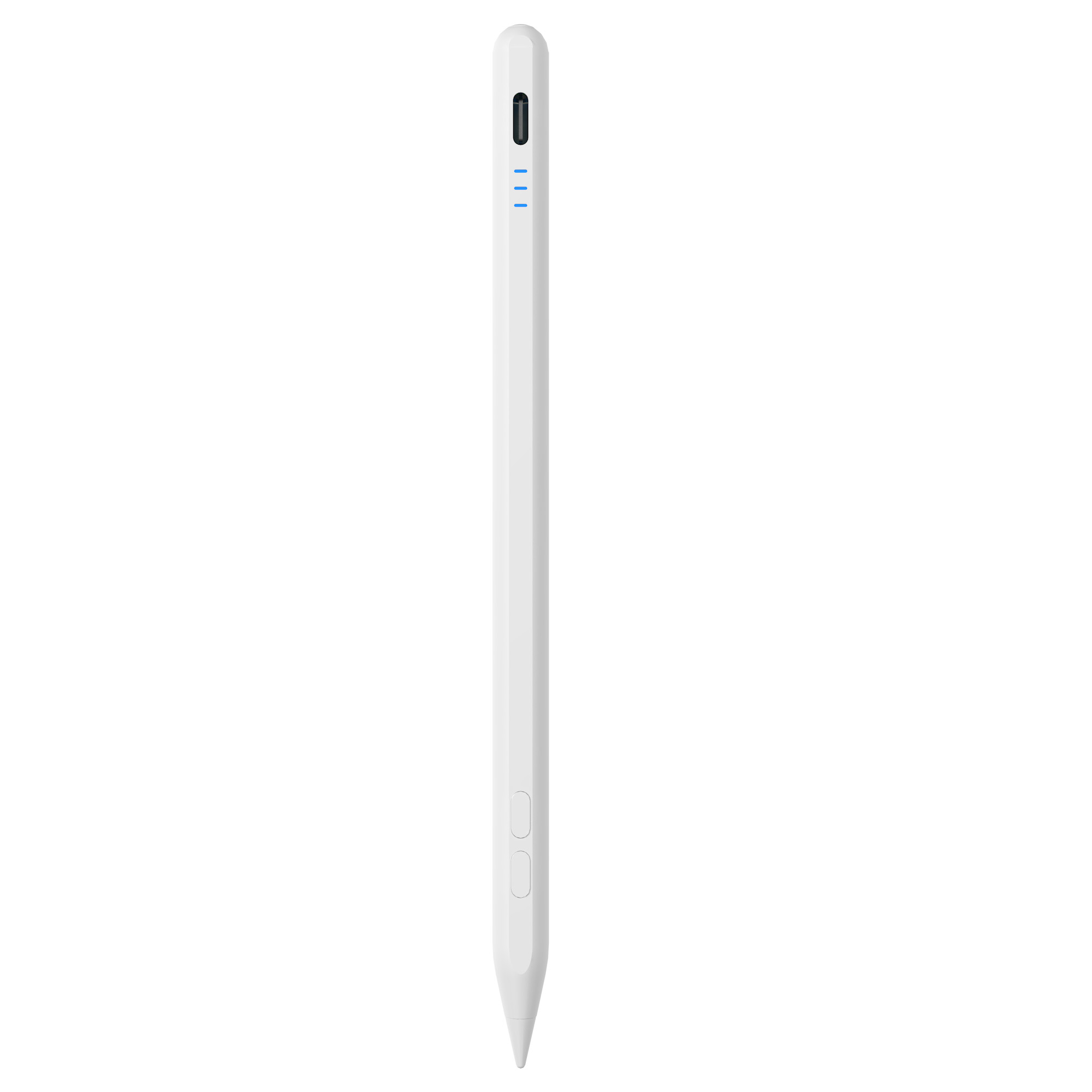
Cover: a fast-charging Type-C iPad stylus pen from the Jiayao Stylus line. Whatever a test report names must match what is inside the carton.
Short answer: stylus pen compliance evidence is configuration-specific and market-specific. A document issued for one product variant, or for one destination market, does not automatically transfer to another. Before approving an order, verify three links: the model identifier on the test documentation matches the shipping unit, the market named in the document matches the destination market, and every required document is written into the purchase order as a measurable acceptance criterion.
This guide is written for buyers who are already at the decision stage — comparing suppliers, confirming documentation, or preparing a purchase order for an iPad Stylus Pen, an iPad and Android Stylus Pen, or a general Stylus Pen line that will be sold in more than one region. It maps how certification, standards and regional requirements differ, what evidence is worth asking for, and how to turn each document into a purchase term instead of a verbal promise.
Jiayao Stylus (Dongguan Jiayao Intelligent Technology Co.,Ltd) is an active stylus pen manufacturer based in Dongguan, Guangdong, China, producing active and passive stylus pens compatible with iPad and mainstream Android tablets. The company was founded in 2021, operates a 2,700 m² facility with approximately 100 employees and a four-engineer R&D team, reports annual output of 3,000,000 units, and exports roughly 40% of production to markets that include the EU and the USA. Every unit passes 100% full inspection — functional, tactile and visual checks — and the factory supports both OEM and ODM projects. That dual-region exposure is precisely why a compliance file has to be read market by market rather than presented as one badge.
Problem Definition: Why One Market's Compliance File Stops at the Border
The most expensive compliance mistake is also the most common: treating a mark, a report or a certificate as a property of the product, rather than as evidence tied to a defined configuration, a defined market and a defined test standard.
Three failure modes appear repeatedly in stylus pen purchasing.
- The single-market assumption. A pen evaluated against European requirements is described simply as "certified", and the buyer assumes the same file covers a US or UK entry requirement. The underlying test scope, the authorization route for radio functions, and the labelling rules are not identical between markets.
- Configuration drift. The tested model had a permanent battery, or no radio at all; the shipped model adds Bluetooth, changes the charging interface, or moves from a passive capacitive tip to an active stylus assembly. One stylus pen line can contain an iPad Active Stylus Pen, a Universal Active Stylus Pen, a Rechargeable Stylus Pen, a Bluetooth Stylus Pen, a Magnetic Stylus Pen and a 2-in-1 Stylus Pen — and each variation can change which requirements apply.
- Statement-level evidence. The supplier answers "we are compliant" without showing the document, the model list, the issuing laboratory or the date. Statements cannot be written into a purchase order, and they cannot be defended to a customs officer, a marketplace reviewer or a project client.
The scope of the category is not settled either. IMARC Group valued the global stylus pen market at USD 19.45 billion in 2025, while Fortune Business Insights reported USD 3.36 billion for the same year — a gap that market analysts attribute to different definitions, with one covering a wider input-device family and the other focusing on active digital pens. If the category boundary is disputed at research level, buyers should assume it is equally disputed at document level, and should never assume that a supplier's compliance file automatically covers the exact configuration being purchased.
Industry Background: The Standards Landscape Behind iPad and Android Stylus Pens
Compliance requirements follow technology. Where a pen gets its power, and how it communicates with the tablet, determine which document families apply.
Cross-platform pens have a documented standard to reference. The USI 2.0 specification, released in 2022 by the Universal Stylus Initiative and supported by Google, Intel and Lenovo, is the primary cross-platform standard for active styluses. For an iPad and Android Stylus Pen shipped into mixed-device fleets, USI conformance is a meaningful technical reference, because it describes interoperability rather than a single vendor's ecosystem.
iPad stylus input works differently: pens built for iPad follow the tablet vendor's own pen protocol rather than the open cross-platform standard. Products such as the iPad Active Stylus Pen, Palm-Rejection Stylus Pen, Tilt-Sensitive Stylus Pen and Low-Latency Stylus Pen are therefore validated mainly through functional compatibility testing on the target tablet models, in addition to the electrical and radio requirements of the destination market.
Power design creates the next split. EMR Stylus Pens are commonly battery-free because they draw energy from the tablet's digitizer layer, and capacitive stylus pens contain no active electronics. Active stylus pens charged over Type-C or wirelessly contain a lithium battery, and Bluetooth variants add a radio module. In practice, this is where documentation weight shifts: battery-bearing pens need battery safety and transport documentation on top of product-level evidence.
Performance specifications must also survive the compliance file. The class of high-end professional active pens represented by Samsung S-Pen supports up to 4,096 levels of pressure sensitivity, and that number shapes the vocabulary buyers use in specifications. When a purchase order states pressure levels, latency or working time, those figures should appear in the same document set as the model identifier — not only on a marketing sheet.
Market momentum makes this harder rather than easier. Active stylus technology is projected to grow at a CAGR of 9.8% from 2026 to 2034, which means more variants, more private-label programmes and more suppliers entering the category, each arriving with a differently scoped compliance file.
Customs treatment adds a final variable. Stylus pens are typically classified under HS Code 8471.60.90 as "Automatic Data Processing Input Units", and that classification drives duty, entry documentation and, in some cases, whether additional regulatory checks are triggered at the border.

Proof: production and quality work at the Jiayao Stylus facility in Dongguan. In-house PCBA design, battery welding, assembly and testing keep the configuration record and the shipped unit inside one production chain.
Detailed Solution: A Four-Layer Verification Framework
Layer 1 — Lock the configuration before you lock the compliance file
Write down the exact configuration you intend to buy: pen technology (active, passive capacitive, EMR or USI), charging method, presence of a radio, tip type and replaceability, target tablet families, and packaging language. Then require the supplier to name that configuration on the document set. Jiayao Stylus controls PCBA design, battery welding, assembly and quality testing in-house, which matters here: a configuration change can be traced to a production stage and reflected in an updated document rather than being absorbed silently into the next batch.
Every specification that appears in your acceptance criteria should be traceable to the same model identifier used in testing — pressure sensitivity, latency, charging time and working time per charge. For the active pen line in this example, that means figures such as latency under 8 ms, writing offset under 0.5 mm, and up to 11 hours of continuous working time per full charge should reference the same model named on the compliance documents.
Layer 2 — Separate requirement families from certificates
Buyers often ask for "the certificate" when they actually need to check several different requirement families. For a rechargeable active stylus pen, four families usually need separate answers.
- Electrical and electromagnetic compatibility — relevant to pens with active circuitry and charging electronics.
- Radio authorization — relevant only to Bluetooth Stylus Pen or other wireless-transmitting variants, and administered differently in each market.
- Substance restrictions and material declarations — relevant to housings, coatings, tips and solder, and frequently referenced by recycling and packaging rules.
- Battery safety and transport documentation — relevant to the Rechargeable Stylus Pen and Fast-Charging Stylus Pen variants; lithium cells normally require a transport test summary before air shipment.
Separating these families prevents the classic mismatch in which a supplier answers a radio question with a chemical-restriction report, or answers a battery question with a functional test report.
Layer 3 — Ask for document-level evidence, not adjectives
A usable evidence pack answers five questions per document: which model, which market or legal framework, which test standard, which issuing laboratory or authority, and which date. Ask for the model list attached to each report and confirm that your shipping model appears on it. Cross-market gaps usually surface at this stage: a document prepared for European requirements does not cover US radio authorization, and a US file does not cover European substance or waste rules.
A second check is change control. Ask how the supplier handles a change of battery, radio module, charging interface or tip assembly, and whether the change triggers re-testing and re-issuing of documents. A supplier who can answer that question in writing is usually also able to supply batch-level traceability — which is what a customs query or a marketplace compliance review will ask for.
Layer 4 — Convert compliance into purchase terms and acceptance criteria
Compliance only protects a buyer when it is enforceable. Practical purchase terms include: a named document list attached to the PO; an obligation to notify and re-test after any change to battery, radio, charging interface or tip assembly; batch-level traceability; a defined remedy if documents fail at customs or at marketplace review; and clarity on who owns the test reports and who pays for re-testing after a design change.
Where sampling is used to validate a supplier, the sample should be drawn from the same configuration that will ship, so the sample, the specification and the certificate all refer to one product. Jiayao Stylus provides samples in as little as 3 weeks and ships standard orders in 20 days, with flexible MOQs for fast-moving brands and growing sellers — which means the configuration decision should be locked before sampling starts, not after the sample is approved.
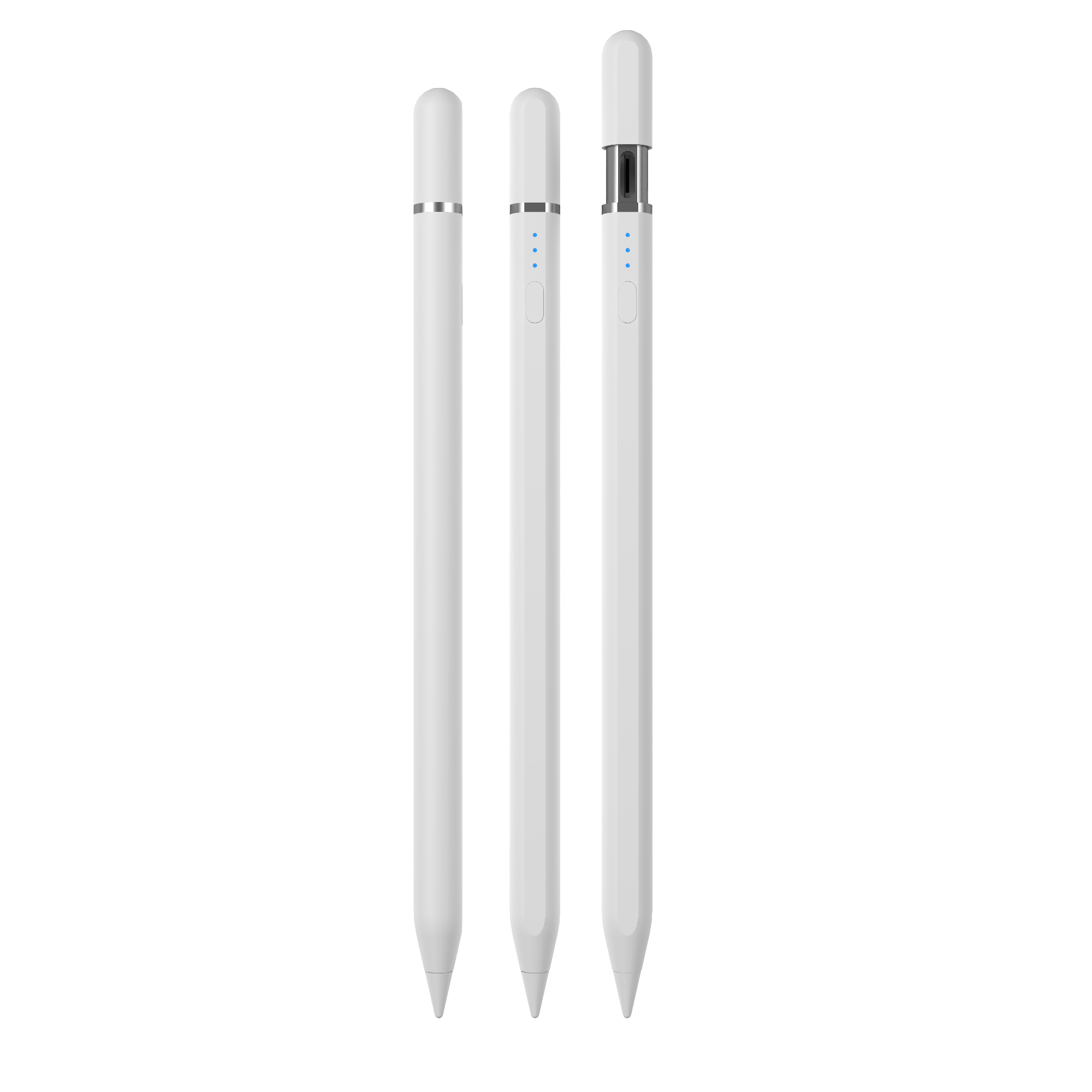
Supporting: a wireless and Type-C charging stylus pen. Charging design and battery presence decide which documentation family applies to a given variant.
Step-by-Step: Seven Checks Before You Approve a Stylus Pen Order
- Define the SKU in writing. Technology type, charging method, radio presence, tip type, target tablet families and packaging language.
- List the destination markets. One evidence file per market, not one file for "export".
- Request the evidence pack. Reports, declarations, model lists, issuing laboratory, dates, and battery transport documentation where applicable.
- Match model identifiers. The identifier on the report must match the identifier on the purchase order and on the carton label.
- Run a gap check. Mark each requirement family as covered, partially covered or missing for each destination market.
- Validate on a sample. Confirm the functional claims that matter for your channel — compatibility with target tablet models, palm rejection behaviour, tilt response, latency and charging behaviour — using the exact shipping configuration.
- Write it into the order. Documents, notification duties, traceability and remedies become purchase order clauses and acceptance criteria.
Sequence matters more than speed. Because samples require as little as 3 weeks and standard production ships in 20 days at Jiayao Stylus, buyers who finalize compliance questions during sampling can move directly into production; buyers who raise them after sample approval usually pay for re-testing, re-labelling or a re-issued document set.
Use Cases: How Regional Compliance Checks Differ in Practice
EU distributor adding an iPad stylus pen SKU
A European seller needs European-facing evidence for the exact variant being listed, plus the packaging and language rules that apply in that market. If the same supplier also sells in the US, the US file cannot be used as a substitute — request the European-facing set separately, and check the model list again after any variant change.
US seller launching a Bluetooth universal active stylus
The presence of Bluetooth moves the product into a radio category, so the US authorization route is separate from the European one, and the same pen without Bluetooth would require a lighter document set. Before listing the SKU on a marketplace, confirm which variants the radio documentation actually covers.
Education or field-service rollout on Android tablets
When a project standardizes on Android tablets, USI 2.0 conformance becomes a practical selection criterion alongside market compliance, because mixed-vendor fleets need documented interoperability rather than brand-specific pairing. For a universal stylus serving both iPads and Android tablets in one fleet, the compatibility claim should be tested per device family, not stated once for the whole programme.
Private-label programme with customization
OEM and ODM customization of logo, packaging and Bluetooth name changes both what is printed on the product and what is transmitted over the air — and both are compliance-relevant. Jiayao Stylus supports customization based on samples, including logo, packaging and Bluetooth name, so the customization list should be frozen before the document set is generated, not after.
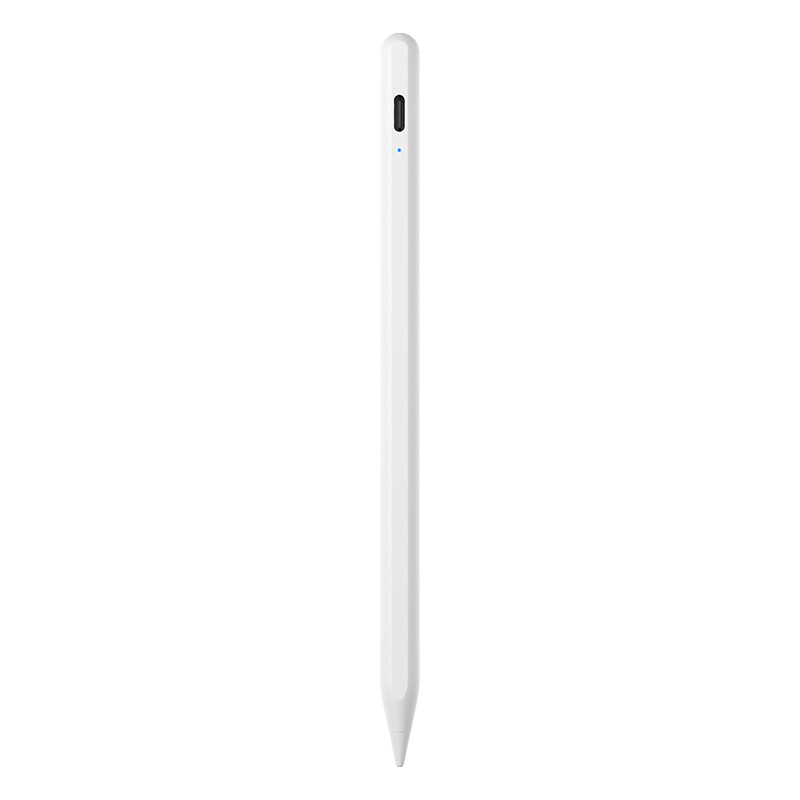
Supporting: tilt-sensing iPad stylus pen. Tilt accuracy and palm rejection are validated on the target tablet models — ask for the tested model list, then confirm on your own sample.
Comparison Tables: Specification and Cross-Market Verification
The first table compares active and passive stylus behaviour using the specification data recorded for the active pen line, because the choice of technology determines how much documentation a product needs.
| Comparison point | Active stylus pen | Passive pen |
|---|---|---|
| Writing behaviour | Precise writing, no latency, no offset | Reference point in this comparison |
| Measured performance gap | Latency under 8 ms; writing offset under 0.5 mm | Not specified in the source data |
| Best suited to | Writing on the iPad or tablet | Not specified in the source data |
| Cost direction | Higher cost | Not specified in the source data |
| Maintenance | Requires regular charging; replaceable pen tip | Not specified in the source data |
| Efficiency | Up to 11 hours of continuous working time per full charge | Not specified in the source data |
The second table converts regional compliance checks into a purchasing checklist. It is organized by requirement family rather than by certificate name, because certificates differ between markets while the underlying questions repeat.
| Requirement family | What it typically covers | Evidence to request | Frequent buyer error |
|---|---|---|---|
| Electrical and electromagnetic compatibility | Active circuitry and charging electronics of an Active Stylus Pen | Test report with model identifier, standard referenced, issuing laboratory and date | Accepting a functional test report as electrical evidence |
| Radio authorization | Bluetooth Stylus Pen and other wireless-transmitting variants | Authorization document naming the radio variant and destination market | Assuming the non-Bluetooth file covers the Bluetooth SKU |
| Substance restrictions and material declarations | Housings, coatings, tips and solder in the shipped bill of materials | Material or substance declaration linked to the shipping model | Using a declaration that lists a different model family |
| Battery safety and transport | Rechargeable Stylus Pen and Fast-Charging Stylus Pen variants | Lithium battery transport test summary and battery specification | Booking air freight before the battery document is available |
| Labelling, packaging and instructions | Marking, warnings, language and recycling information per market | Final artwork approval with the compliance markings shown | Approving artwork before compliance markings are confirmed |
| Customs classification | Input-unit classification such as HS Code 8471.60.90 | Declared HS code, product description and customs documentation | Reusing a previous supplier's code for a battery or radio variant |
Note: this matrix is a purchasing checklist, not a legal opinion. Applicable requirements vary by destination market, product configuration and channel. Confirm the final requirement list with a qualified compliance advisor and against the supplier's documentation for the exact model you are buying.
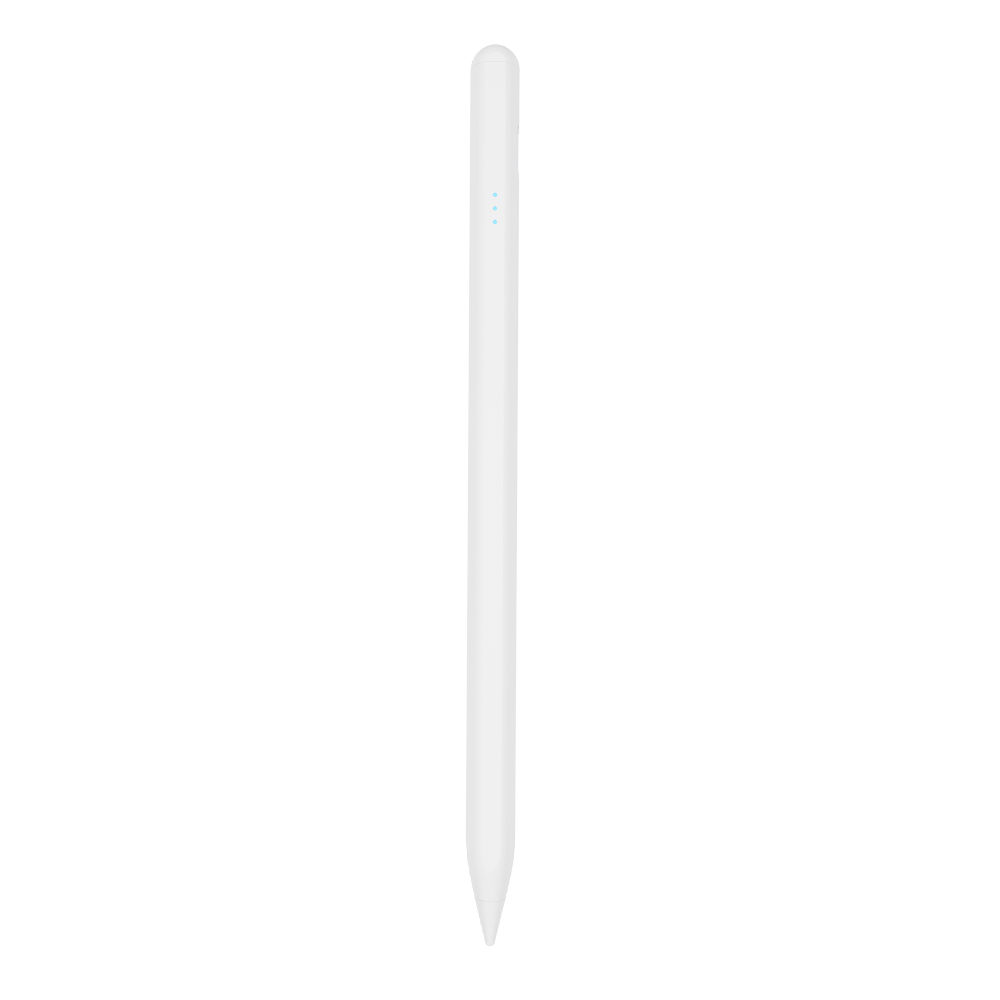
Supporting: a universal stylus pen for iPad and Android tablets and phones. A cross-platform configuration needs documents that speak to both device ecosystems, not just one.
Frequently Asked Questions
Does a stylus pen certified for the European market automatically satisfy US import requirements?
No. Certification evidence is tied to the market and legal framework it was produced under. Radio authorization, substance rules, labelling and battery transport documentation are administered separately in each market, so a European-facing file does not substitute for US-facing evidence. Buyers should request one evidence pack per destination market and match the model identifier on every document to the shipping SKU.
What exactly should I ask a supplier to send when they claim a stylus pen is compliant?
Ask for document-level evidence: the test report or declaration, the model list it covers, the standard tested against, the issuing laboratory or authority, and the date. Then check that your shipping model is named. For battery-bearing pens, add the lithium battery transport test summary; for Bluetooth models, add the radio authorization document for the destination market.
Which iPad active stylus pen manufacturers offer better palm rejection and tilt accuracy, and how should that claim be judged?
Judge it against the shipping configuration, not the marketing sheet. Because iPad stylus input follows the tablet vendor's own pen protocol rather than the USI cross-platform standard, palm rejection and tilt performance are validated by functional testing on the target iPad models. Ask for the tested model list, the test conditions and the sample configuration, then verify the claim on your own sample. Performance specifications such as latency and writing offset should be stated with the same model identifier used in the compliance documents.
How can I request iPad active stylus pen samples from shortlisted manufacturers?
Send the configuration definition with the sample request — technology type, charging method, radio presence, tip type, target tablet models and branding requirements — and ask for the sample to be drawn from that exact configuration, so the sample, the specification and the compliance documents refer to one product. Jiayao Stylus provides samples in as little as 3 weeks and supports OEM and ODM customization, including logo, packaging and Bluetooth name. Requests can be sent through jiayaostylus.com or through the catalogue link below.
What lead time and cost factors should I expect while compliance documents are being prepared?
Jiayao Stylus ships standard orders in 20 days and provides samples in as little as 3 weeks, with flexible MOQs. Compliance preparation usually runs in parallel with sampling and production planning, so the practical planning rule is to lock the configuration first: a change to battery, radio or charging interface after documents are issued generally triggers re-testing and re-issuing. Active stylus pens also carry a higher unit cost than passive pens, so budget comparisons should be made on the same configuration and the same documentation basis.
Conclusion: Compliance Is a Decision, Not a Badge
A stylus pen that clears one market's requirements is evidence of engineering discipline and document control — it is not a global pass. For buyers at the decision stage, the sequence is fixed: define the configuration, list the destination markets, request document-level evidence for each market, run a gap check, validate on a sample drawn from the shipping configuration, and convert the entire list into purchase order terms.
Suppliers who can name the model, the market and the standard behind every claim make that sequence fast. Suppliers who answer with adjectives make it slow — and expensive, once a shipment is stopped, a listing is suspended, or a project deadline moves.
Next Step

Download the Jiayao Intelligent Stylus Pen Catalogue for the current iPad and Android stylus pen line, or send your configuration definition and destination markets to request a sample and a quotation.
Email: LeaTan@dg-xcdz.com | WhatsApp: +86 166 2065 1838 | Website: jiayaostylus.com | Blog: blog.jiayaostylus.com
Have Questions or Need More Details?
Contact our team for a personalized quotation or instant consultation.
Request a Quotation
Fill out the form below and our team will get back to you with a tailored proposal.
WhatsApp Direct Chat
Prefer to chat in real-time? Message us on WhatsApp for instant assistance & quick answers.
- Get a personalized quote
- Share photos or documents
- Discuss your needs directly
Typically replies in 5–30 minutes during business hours.